
Explore Kolkata
Kolkata, the capital of West Bengal, is one of India’s most historic and culturally rich metropolitan cities. Known worldwide as the “City of Joy,” it is celebrated for its colonial-era architectural landmarks such as the Victoria Memorial and Howrah Bridge, its thriving literary, artistic and cinematic traditions, and its distinctive culinary and festive culture. The city’s iconic Durga Puja festival has earned global recognition for its scale, creativity and community celebration. Kolkata is also home to major universities, museums and scientific institutions, making it an inspiring and engaging destination for international delegates.

Victoria Memorial
A stunning white-marble monument built in memory of Queen Victoria, this iconic landmark blends British and Mughal architecture. Surrounded by lush gardens, the memorial houses a museum with colonial-era relics, paintings, and documents.
- Location: Maidan
- Best Time: Evening for light & sound show
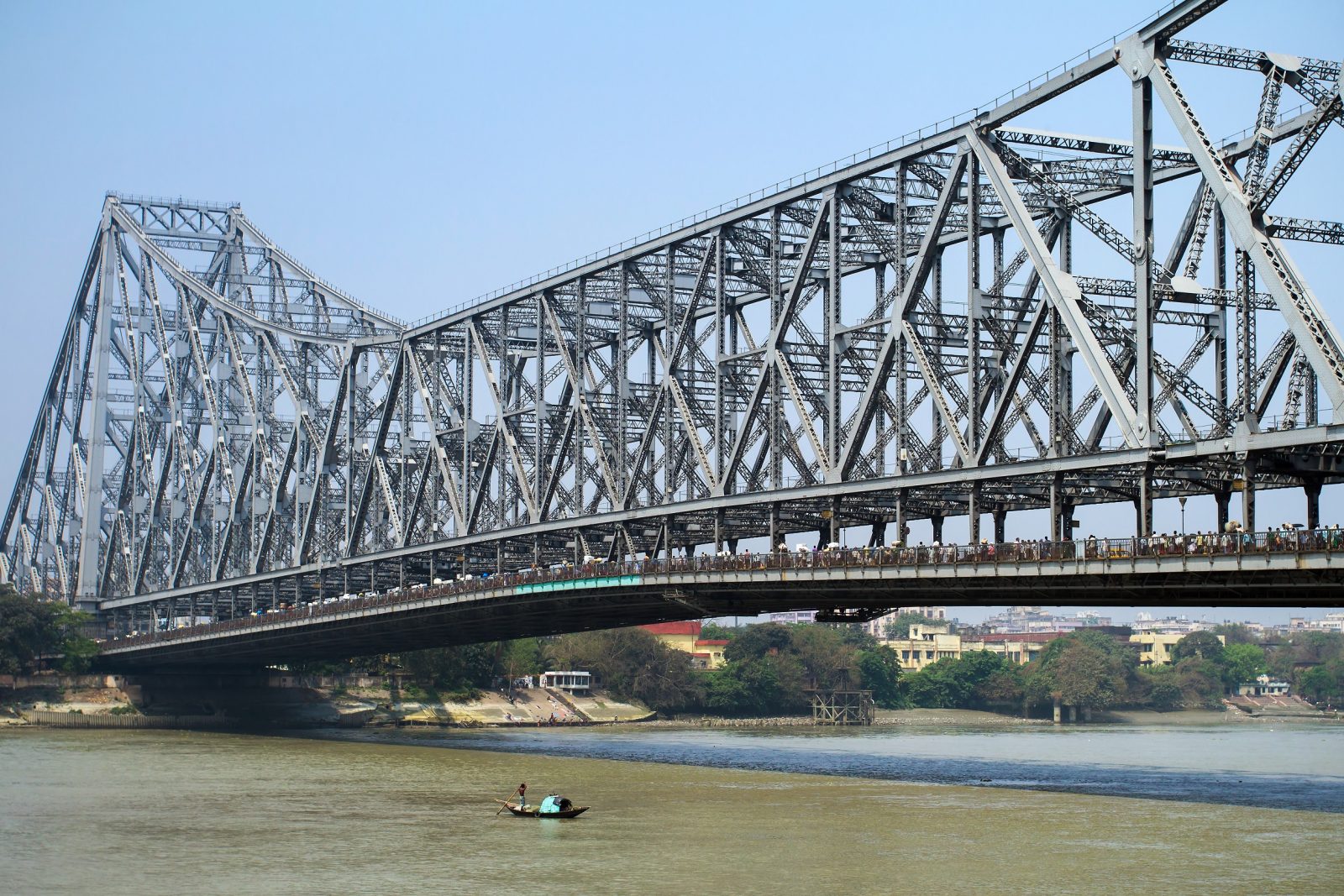
Howrah Bridge
An engineering marvel and symbol of Kolkata, the Howrah Bridge spans the Hooghly River, connecting Howrah and Kolkata. It sees thousands of vehicles and pedestrians daily and is especially beautiful at night.
- Viewpoint: From PrinsepGhat or Millennium Park
- Best Time: Sunset
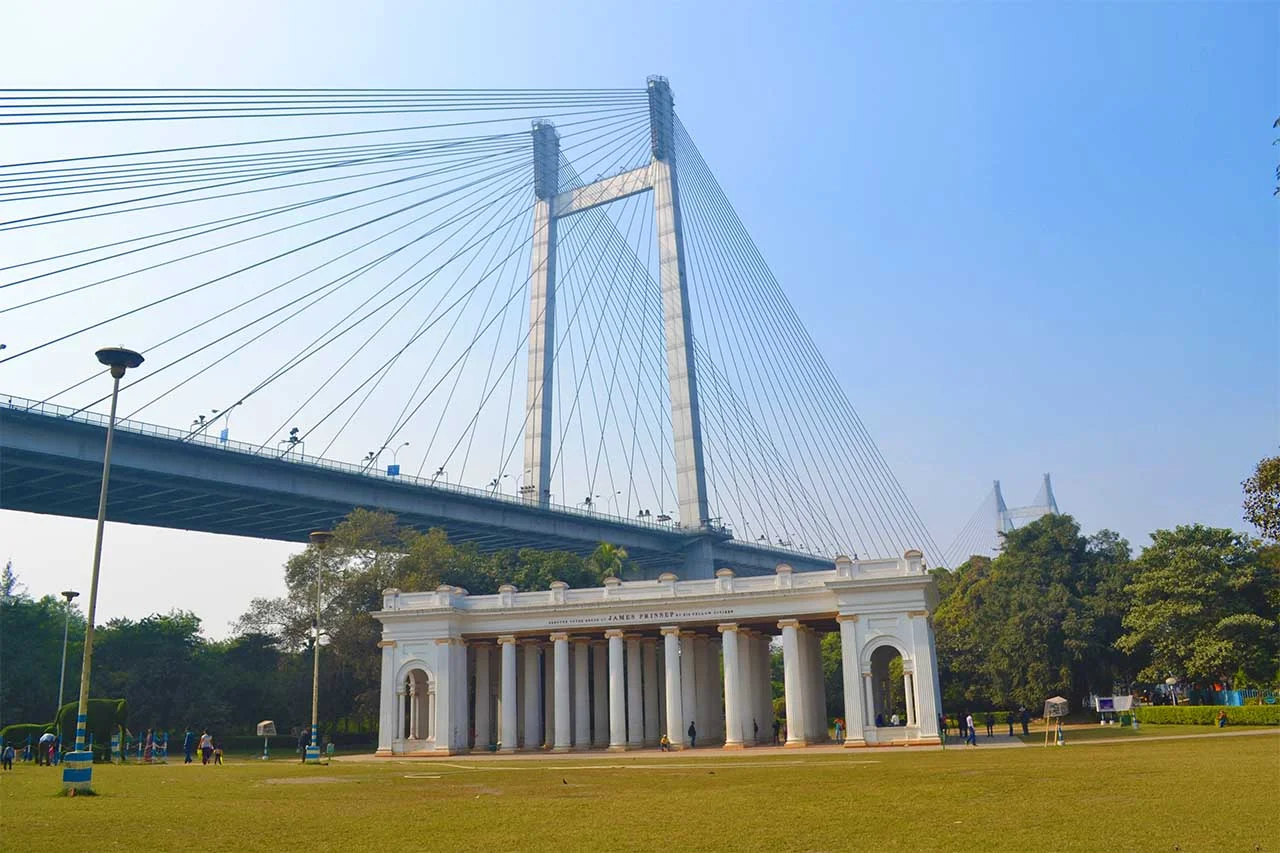
Princep Ghat
Built in 1841 along the Hooghly River, this colonial structure is ideal for a tranquil boat ride or riverside walk. It’s a favorite spot for locals and tourists alike, especially during the evening hours.
- Location: Strand Road
- Activities: Boating, photography

Indian Museum
The oldest and largest museum in India, it houses rare artifacts ranging from ancient fossils to Egyptian mummies and Mughal miniatures.
- Location: Jawaharlal Nehru Road
- Highlights: Dinosaur skeletons, Buddhist relics, textiles
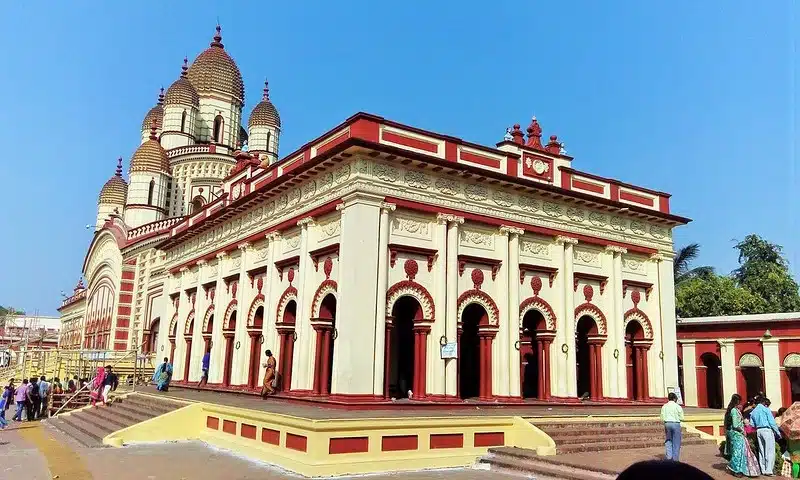
Dakshineswar Kali Temple
This famous temple dedicated to Goddess Kali was built by Rani Rashmoni in the 19th century and is closely associated with Ramakrishna Paramahamsa, a revered saint.
- Location: Northern outskirts of Kolkata
- Nearby: Belur Math (Ramakrishna Mission HQ)

Belur Math
The headquarters of the Ramakrishna Mission, this serene spiritual complex on the banks of the Ganges blends Hindu, Christian, and Islamic architectural styles.
- Activities: Meditation, evening aarti
- Just across the river from Dakshineswar
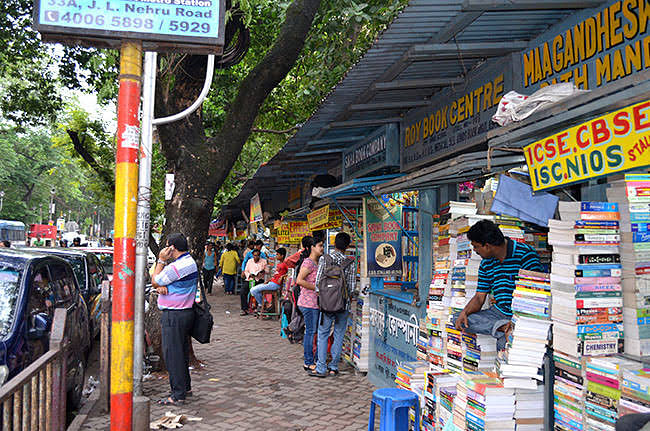
College Street & Coffee House
paradise for book lovers, College Street is home to Asia’s largest second-hand book market. Nearby is the legendary Indian Coffee House, where intellectuals like Tagore and Satyajit Ray once debated ideas.
- Vibe: Old-world charm meets revolutionary spirit

Science City
Perfect for families and kids, it combines science with fun through interactive exhibits, a space theatre, and a large aquarium., where intellectuals like Tagore and Satyajit Ray once debated ideas.
- Attractions: Ropeway ride, Earth exploration hall
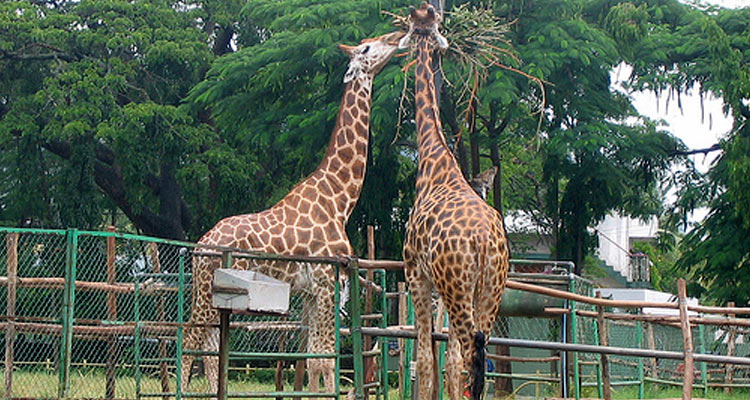
Alipore Zoological Garden
Alipore Zoological Garden, Kolkata’s premiere wildlife and conservation destination is India's oldest formal Zoo sprawling across 18.8 ha (≈46 acres), housing ~1,267 animals across 108 species.
Why It's Worth Visiting
- A seamless blend of heritage, education, and wildlife spectacle.
- Unique opportunities to witness iconic species, enjoy large aviaries, and explore historic conservation milestones.
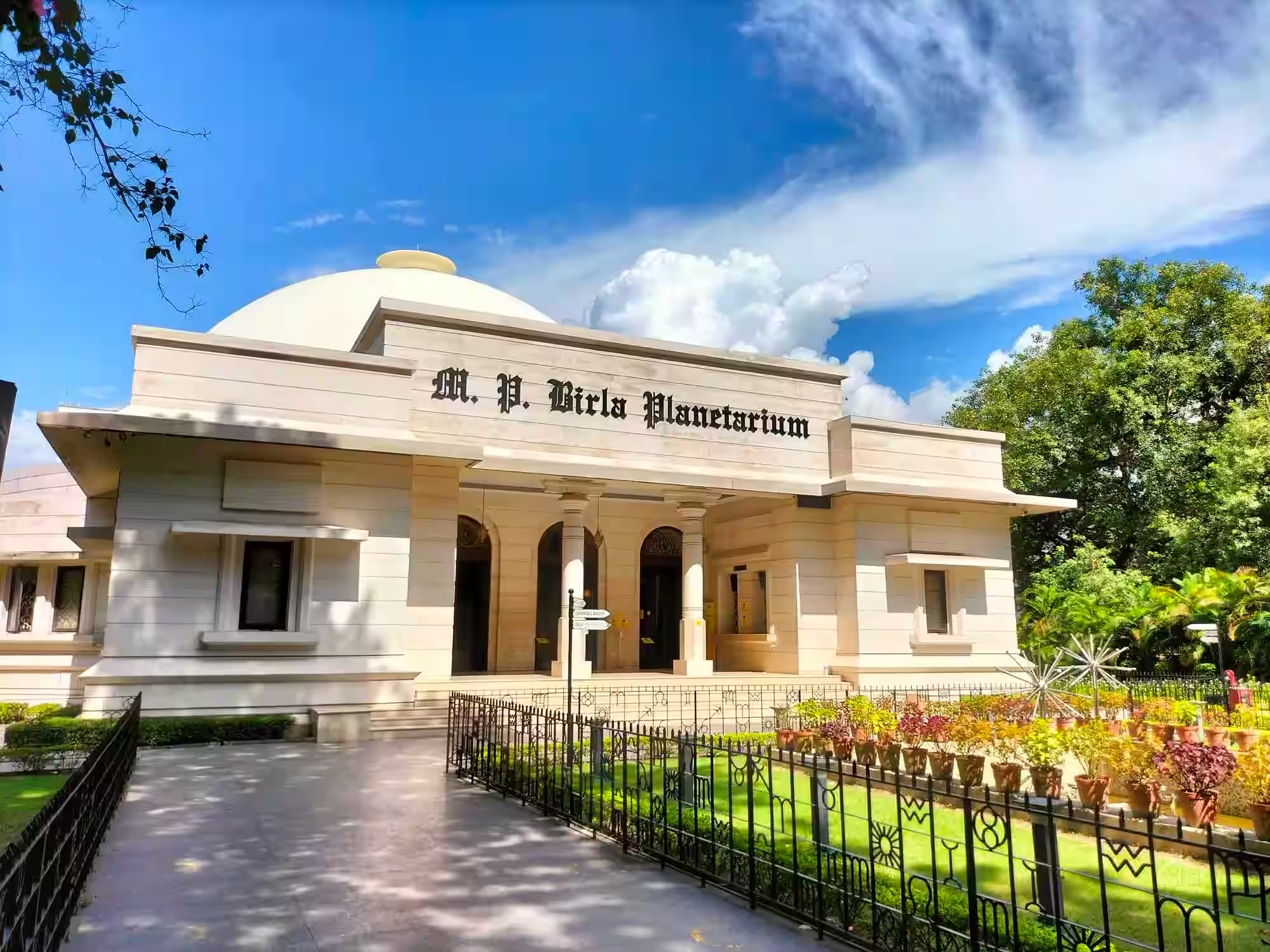
M. P. Birla Planetarium
The M. P. Birla Planetarium, affectionately called “Taramandal”, is one of Kolkata’s most iconic attractions—recognized as the largest planetarium in Asia and the second-largest in the world
- Show Timings (Approx. 40–60 min)
- Location: 96 Jawaharlal Nehru Road, adjacent to Victoria Memorial, St Paul’s Cathedral, and the Maidan.
- Accessibility: ~5 min walk from Maidan and RabindraSadan metro stations; cabs, buses, and taxis easily available from major hubs
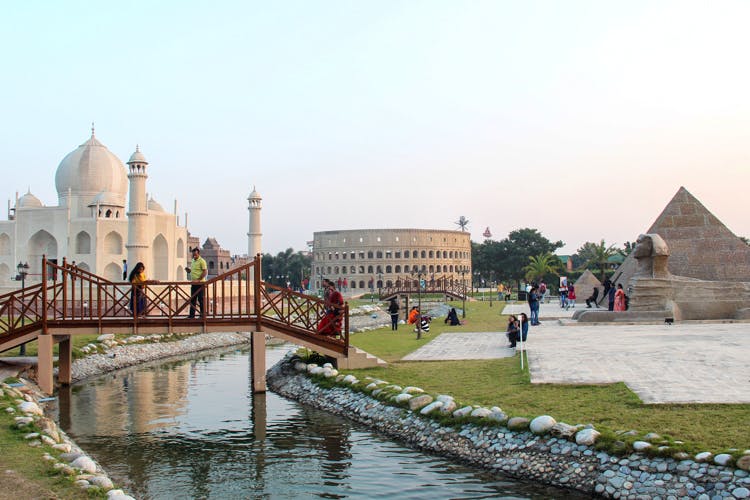
Eco Park (PrakritiTirtha) in New Town, Kolkata
Spread over 480 acres, including a 104-acre lake, it's India’s largest urban park. The space is divided into ecological zones (wetlands, grasslands, urban forest), themed gardens, and active recreational areas.
- Thematic Gardens & Zones
- Eco Island & Glass House
- Musical Floating Fountain
- Activities & Adventure - Boating & Water Sports, Physical Fun, Skills & Games
Eco Park is a perfect blend of nature, fun, and learning—an ideal destination for a refreshing day out in Kolkata.

Calcutta Botanic Garden and Herbarium
The Acharya Jagadish Chandra Bose Indian Botanic Garden in Howrah (formerly Calcutta Botanic Garden), founded in 1787, is a 273-acre site famous for its 250-year-old Great Banyan Tree. It houses the Central National Herbarium (CAL), India's largest, containing over 2 million plant specimens, including 12,300 rare Wallich specimens.

While exploring, Don’t miss
- Park Street, renowned for its vibrant nightlife, diverse dining scene, and historical significance. It's known as "The Street That Never Sleeps" due to its lively bars, pubs, and restaurants, making it a popular destination for both locals and tourists.
- MishtiDoi, Rasgulla, Kathi Rolls
Works of D.D. Cunningham
David Douglas Cunningham (1843–1914) was a Scottish medical doctor and researcher who pioneered studies in aerobiology. He used an aeroconiscope—a wind-vane device directing air into a funnel onto a sticky slide—to capture airborne organisms for microscopic examination. His investigations of microbes, spores, and pollen in the air of Kolkata were published in 1873.